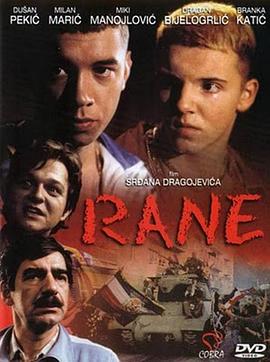
那年伤口特别多
157
2.0
已完结
那年伤口特别多
2.0
更新时间:2025年12月12日
主演:Dusan Pekic,米兰·马里奇,德拉甘·比耶洛格利奇,布兰卡·卡蒂奇,米基·马诺伊洛维奇,Gorica Popovic,维斯娜切瓦里克,Andreja Jovanovic,尼古拉·科约,Zorka Manojlovic,达尼罗 -巴塔-斯托科维奇,丹妮卡·马克瑟莫维奇,拉多斯拉夫·米伦科维奇,Nikola Pejakovic,Milorad Mandic,Dragan Maksimovic,Olivera Viktorovic,Dragan Zaric,伊丽莎维塔·萨布利奇,Uros Djuric,
简介:How easy is it for desperate youngsters to become dangerous gangsters in a decaying society washed all over by the blood of war Fairly easy indeed. Rane shows incidents, probably somewhat facts, that took place in Serbia of the war era. Things similar to what you see on this film could happen virtually everywhere, but this film gives a very Yugoslavian feeling to everything. Yugo style mafia, Yugo style murder, and all that. Revolting politicians and their greed are to blame, not only the desperate young men who lose their reasoning while trying to be someone. The film and the casting is overall successful, and it's so very Serbian. I recommend it to anyone who.. well anyone who likes a good film. But don't expect anything American style on this one, as I say it's Yugo to the bone.
910
1998
那年伤口特别多
主演:Dusan Pekic,米兰·马里奇,德拉甘·比耶洛格利奇,布兰卡·卡蒂奇,米基·马诺伊洛维奇,Gorica Popovic,维斯娜切瓦里克,Andreja Jovanovic,尼古拉·科约,Zorka Manojlovic,达尼罗 -巴塔-斯托科维奇,丹妮卡·马克瑟莫维奇,拉多斯拉夫·米伦科维奇,Nikola Pejakovic,Milorad Mandic,Dragan Maksimovic,Olivera Viktorovic,Dragan Zaric,伊丽莎维塔·萨布利奇,Uros Djuric,
弗拉门戈
155
4.0
已完结
弗拉门戈
4.0
更新时间:2025年12月12日
主演:La Paquera de Jerez,Merche Esmeralda,Manolo Sanlúcar
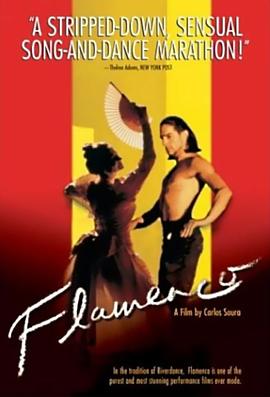
简介:介紹:  卡洛斯索拉(Carlos Saura)是西班牙史上備受矚目的電影導演。他以佛朗明哥舞為主軸,巧妙的融合西班牙的繪畫、舞蹈、音樂,舞台設計等各類藝術,透過獨特的攝影機運動,在極簡中創造華麗的視覺奇蹟。在坎城獲得最佳藝術貢獻獎和最高技術大獎的「卡門」,與「血婚」、「魔愛」,合稱為「佛朗明哥三部曲」,更成為索拉最具代表性的作品。近半世紀以來,索拉豐富的作品已成為檢視西班牙政治、歷史與社會變化的重要註腳。  阿拉岡省烏艾斯卡(Hueska)  1932年出生在阿拉岡省的烏艾斯卡(Hueska),索拉19歲就在皇家攝影協會舉辦首次個人特展,並在畫家哥哥安東尼奧的建議下,進入電影研究與實驗中心(I.I.E.C.,西班牙國立電影學院的前身)就讀。索拉早期的作品,傾向於寫實且充滿新浪潮的精神,1966年的《狩獵》(La Caza)為其代表作,七○年代《安琪莉卡表妹》(La Prima Angelica)和《飼養烏鴉》(Cria!,1976)深受歐美影評人的喜愛,並相繼在坎城中獲獎。  八○年代,索拉以「佛朗明哥三部曲」首開以電影來呈現舞蹈的先例,為國際影壇帶來了一種全新的電影形式與風貌。索拉獨特的運鏡手法不僅發揚了佛朗明哥舞熾烈的熱情和修長的線條美,更不難發現索拉擅長從極簡中創造炫目的電影視覺語言。其中,《卡門》更在坎城得到藝術貢獻獎和高等技術大獎,並入圍了奧斯卡最佳外語片。  九○年代,索拉與知名的攝影家和藝術總監合作多部作品,並以《情慾飛舞》在坎城得到技術大獎,並再次入圍奧斯卡。二十餘年來,索拉多部電影作品涵括劇情片與佛朗明哥音樂舞蹈片,數次奪得國際影展的肯定早已在國際間奠定獨樹一格的地位,而他對西班牙歌舞片的拓展貢獻,更謂居功厥偉。  弗拉门戈是西班牙的一种综合性艺术,它融舞蹈、歌唱、器乐于一体,过去流行在西班牙南部,现在已扩展到西班牙的广大地区,并正在成为整个西班牙的代表性艺术之一。  西班牙南部的安达卢西亚长期以来是各种音乐文化的大溶炉,早年希腊、迦太基、罗马、拜占廷的居民带来了地中海边远地区的音乐,后来西哥特人,又带来了他们的文化。从公元八世纪起,阿拉伯人在此建立了西哈里发帝国,统治延续了700多年。从15世纪中起,吉卜赛人又大量移居此地。因此,在安达卢西亚既有阿拉伯文化的巨大影响,又有吉卜赛歌舞艺术的强大魅力,使这个地区变成了欧洲最具有异国风味,东方色彩的地方。正是在这样的背景下产生了弗拉门戈艺术。  关于弗拉门戈的来源说法很多,有人认为它是吉卜赛人从北印度带来的,有人则认为它来自阿拉伯,但它与吉卜赛人有密切关系则是可以肯定的。  在弗拉门戈的演出中,我们常常看见歌手紧皱眉头,面部表情忧郁、愤懑、歌声嘶哑,这是其他演出中很少见到的,人们感到奇怪,但如果了解了弗拉门戈产生的背景,也就不难理解了。弗拉门戈艺术反映了吉卜赛人贫穷、悲惨的命运和处境,并通过诗歌、音乐和舞蹈来表现它。15世纪西班牙统一后,君主及天主教会强迫犹太人、阿拉伯人改宗,强迫吉卜赛人改变生活方式,他们为了逃避迫害,被迫离家出走,流离失所,逃往偏僻的山区,他们过着同样的苦难生活,是吉卜赛人用他们的歌喉、舞步、乐器诉说了这一切。  到18世纪中叶,弗拉门戈已经在安达卢西亚风行一时,但上流社会仍然拒绝它,后来有一位为当时流行的独幕剧《托纳蒂亚》作曲的音乐家采用了吉卜赛的诗句和旋律,情况才有了改变。这个时期出现了不少专业的演唱家,1920年还演出了第一部弗拉门戈歌剧,1922年在格拉纳达举行了有名的弗拉门戈比赛,但随后这门艺术就趋于衰微。直到1956年在科尔多瓦举行弗拉门戈比赛,1957年在海雷兹建立了弗拉门戈学,这种艺术才得到复兴和发展。  在表演时,一群歌手、舞蹈家和吉他手组成的弗拉门戈,团体围成半园形,坐在舞台的椅子上。演出开始于歌手的喊叫声,感叹声,这是为了在观众的心中点燃热情之火,吉他手则奏出引子或前奏,为歌舞营造一种特殊的气氛,歌手在开始演唱前也要调节自己的声音,暗哑并带有鼻音色彩的音色至今仍是弗拉门戈歌声的特点,装饰音多用在重音上,类似倚音的婉转曲折的音很常见,而且常常是微分音。这是在其他西欧国家是很少见的一种唱法。歌词内容大多与上帝、爱情、女人、死亡有关,但很少有关于金钱,发财的内容,这可能与吉卜赛人的某些观念有关。吉他既用来独奏也用于伴奏,但主要当作节奏乐器来用,它有三种基本音乐手法,一是用手指扫弦,二是旋律经过句,三是在歌唱中间作即兴式的间奏。吉他演奏者的力度较大,音色也比较明亮。  在整个表演过程中,演员和观众都在追求一种“杜恩德”--即心灵的相通,把它作为最高的境界。 弗拉门戈的节奏既有自由的散板,也有有规则的循环拍,常用的12拍就有3、6、8、10、12五个重音,有点类似印度的塔拉节拍。音乐进行中增二度音程很多。从音乐风格来看,佛拉门弋音乐是一种忧郁哀伤与狂热奔放的混合体,弗拉门戈舞蹈中的男子非常注重脚的动作,用脚跟敲击地板时发出的节奏十分清脆,女子的舞蹈则更注重手、腕、臂、腰、臀的动作,舞蹈者常常情不自禁地一面踏地,一面捻手指发声,再加上歌声、拍手声、喊叫声、舞步踢踏声、舞蹈者手中的响板声,互相交错应和,表演者与观众心心相应,气氛十分热烈。  弗拉门戈的古典歌曲和舞蹈节目约有60多种,有单人表演的,也有集体表演的,有些是有伴奏的,有些是无伴奏的。按其内容大致可分为三类,即深沉的歌,又称大歌,这是最早的弗拉门戈音乐,也是最难唱的一种,歌唱时节奏自由,音色暗哑,有时近于喊叫,微分音、装饰音很多,东方色彩最浓。另一类是轻快的歌,它的情绪欢乐愉快,曲调流畅,节奏鲜明,比较轻快,并吸收了一些拉丁美洲音乐的因素,还有一类是中庸的歌,它介于这两种歌曲之间。  演唱弗拉门戈的歌唱家很多,在1920年左右的黄金时代最著名的是吉卜赛男歌手马诺洛加拉科尔和女歌手帕斯托拉·帕冯。当代最杰出的男歌手是加马隆·伊斯拉,他既有明亮的高音,又有粗犷的音色,他表达的情感深深触动了每位观众的心弦。最著名的女歌手为加尔曼·里纳雷斯,早期最著名的弗拉门戈吉他演奏家为拉蒙·蒙多亚,他吸收了古典吉他的演奏技巧,发展了弗拉门戈吉他的演奏艺术。当代最有名的演奏家是帕科·卢西亚,他受到了拉丁美洲音乐的影响,有所创新。  近年来在年青一代中,已有人将弗拉门戈艺术与爵士乐,巴西的博萨诺瓦,加勒比海的沙尔萨和布鲁斯摇滚乐相结合,形成了一种新的流派。
2400
1995
弗拉门戈
主演:La Paquera de Jerez,Merche Esmeralda,Manolo Sanlúcar
莫斯科郊外的晚上
150
3.0
已完结
莫斯科郊外的晚上
3.0
更新时间:2025年12月12日
主演:茵格保加·达坤耐特,Alisa Frejndlikh,弗拉基米尔·马什科夫
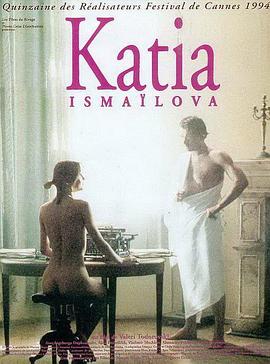
简介:影片Катя Измайлова改编自列斯科夫的随笔《姆岭克斯县的马克白夫人》。  女作家的儿媳妇卡佳和作家别墅的帮工谢尔盖一见钟情。30岁的卡佳在谢尔盖身上找到了从未有过的激情,受情欲支配的她只要有机会就要和谢尔盖做爱。卡佳对工作的懈怠引起了婆婆的不满。卡佳为了扫清她和谢尔盖今后生活的障碍,婆婆生病时故意拖延时间使之丧命,然后和谢尔盖一起将自己的丈夫杀害掩埋。卡佳以为从此她就可以开始过幸福的生活了。但谢尔盖早有女友,他对卡佳也是另有图谋。得知真相的卡佳约谢尔盖和其女友一起进城,半途中,卡佳谎称汽车抛锚要谢尔盖修车,等谢尔盖下车后,卡佳发动汽车,将自己和谢尔盖的女友一同坠入河中摔死。  导演瓦·托多罗夫斯基是俄罗斯新生代导演中的佼佼者。或许出生于电影世家(其父是著名导演,曾执导电影《国际女郎》,其母是编剧及制片人)让他对镜头有一种天然的敏锐。新颖的视角,影调构图的个性设计赋予影片难得的精致与优雅,对场景和对白的精雕细琢给影片提供了深厚的底层铺垫。本片看似曲折、充满谋杀的剧情其实只是为了商业上的宣传,导演更注重叙事的结构。大气、精细、个性化似乎已经成为瓦·托多罗夫斯基影像作品的风格。
963
1994
莫斯科郊外的晚上
主演:茵格保加·达坤耐特,Alisa Frejndlikh,弗拉基米尔·马什科夫
欧洲的某个地方
148
6.0
已完结
欧洲的某个地方
6.0
更新时间:2025年12月12日
主演:Artúr Somlay,Miklós Gábor,Zsuzsa Bánki
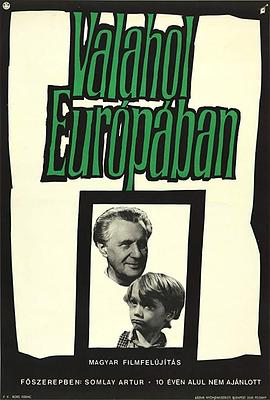
简介:Somewhere in the remote region, the war ends. In the midst of ruined cities and houses in the streets, in rural hamlets, everywhere where people still live, are children who have lost their homes and parents. Abandoned, hungry, and in rags, defenseless and humiliated, they wander through the world. Hunger drives them. Little streams of orphans merge into a river which rushes forward and submerges everything in its path. The children do not know any feeling; they know only the world of their enemies. They fight, steal, struggle for a mouthful of food, and violence is merely a means to get it. A gang led by Cahoun finds a refuge in an abandoned castle and encounters an old composer who has voluntarily retired into solitude from a world of hatred, treason, and crime. How can they find a common ground, how can they become mutual friends The castle becomes their hiding place but possibly it will also be their first home which they may organize and must defend. But even for this, the price will be very high.  To this simple story, the journalist, writer, poet, scriptwriter, movie director, and film theoretician Béla Balázs applied many years of experience. He and the director Géza Radványi created a work which opened a new postwar chapter in Hungarian film. Surprisingly, this film has not lost any of its impact over the years, especially on a profound philosophical level. That is to say, it is not merely a movie about war; it is not important in what location and in what period of time it takes place. It is a story outside of time about the joyless fate of children who pay dearly for the cruel war games of adults.  At the time it was premiered, the movie was enthusiastically received by the critics. The main roles were taken by streetwise boys of a children's group who created their roles improvisationally in close contact with a few professional actors, and in the children's acting their own fresh experience of war's turmoil appears to be reflected. At the same time, their performance fits admirably into the mosaic of a very complex movie language. Balázs's influence revealed itself, above all, in the introductory sequences an air raid on an amusement park, seen in a montage of dramatic situations evoking the last spasms of war, where, undoubtedly, we discern the influence of classical Soviet cinematography. Shooting, the boy's escape, the locomotive's wheels, the shadows of soldiers with submachine guns, the sound of a whistle—the images are linked together in abrupt sequences in which varying shots and expressive sharp sounds are emphasized. A perfectly planned screenplay avoided all elements of sentimentality, time-worn stereotypes of wronged children, romanticism and cheap simplification. The authors succeeded in bridging the perilous dramatic abyss of the metamorphosis of a children's community. Their telling of the story (the scene of pillaging, the assault on the castle, etc) independently introduced some neorealist elements which, at that time, were being propagated in Italy by De Sica, Rossellini, and other film artists. The rebukes of contemporary critics, who called attention to formalism for its own sake have been forgotten. The masterly art of cameraman Barnabás Hegyi gives vitality to the poetic images. His angle shots of the children, his composition of scenes in the castle interior, are a living document of the times, and underline the atmosphere and the characters of the protagonists. The success of the picture was also enhanced by the musical art of composer Dénes Buday who, in tense situations, inserted the theme of the Marseilaise into the movie's structure, as a motive of community unification, as an expression of friendship and the possibility of understanding.  Valahol Europaban is the first significant postwar Hungarian film. It originated in a relaxed atmosphere, replete with joy and euphoria, and it includes these elements in order to demonstrate the strength of humanism, tolerance, and friendship. It represents a general condemnation of war anywhere in the world, in any form.

2298
1948
欧洲的某个地方
主演:Artúr Somlay,Miklós Gábor,Zsuzsa Bánki
首页
TV动画
剧场版
电影
连续剧
短剧